

01 · Understand

Corvana Labs builds specialized AI around your operational knowledge, systems, and people—tested on real tasks, with human review.
The problem
Energy infrastructure runs on a mix of legacy systems and newer tools. The knowledge needed to complete a task is spread across asset records, project schedules, operating procedures, and the people who know how the work gets done.
General-purpose AI is a useful starting point for writing, search, and analysis. A utility workflow demands more: knowing which record applies, how equipment and activities depend on one another, what the procedure requires, and who needs to review the result.
Much of that understanding comes from experience. It shows up when someone resolves conflicting records, handles an exception, or coordinates work across teams. Giving AI access to documents captures only part of that context.
The challenge is turning knowledge across your systems, procedures, and people into AI that is grounded in your operations, tested on real tasks, and connected to the way work gets done.
What we do
Corvana Labs builds specialized AI for energy, utilities, and critical infrastructure. We work with your experts to capture the decisions, dependencies, and exceptions behind a defined workflow, then connect the records, procedures, and systems it needs.
We adapt AI to that work and test realistic cases against agreed measures of quality and review effort. We then integrate the workflow into your existing tools with clear approval steps, training, and handover. Your team keeps responsibility for decisions, while quality, review time, and cost show how the workflow performs.
Our work brings together:
Capture the decisions, dependencies, and exceptions behind the work with the people who know it best.
Connect records, procedures, and tools with the sources, versions, and access controls each workflow needs.
Adapt models to your tasks. Test real cases and difficult exceptions against an agreed baseline for quality and review effort.
Build AI into existing processes with clear approvals, training, and handover. Measure quality, review time, and cost.
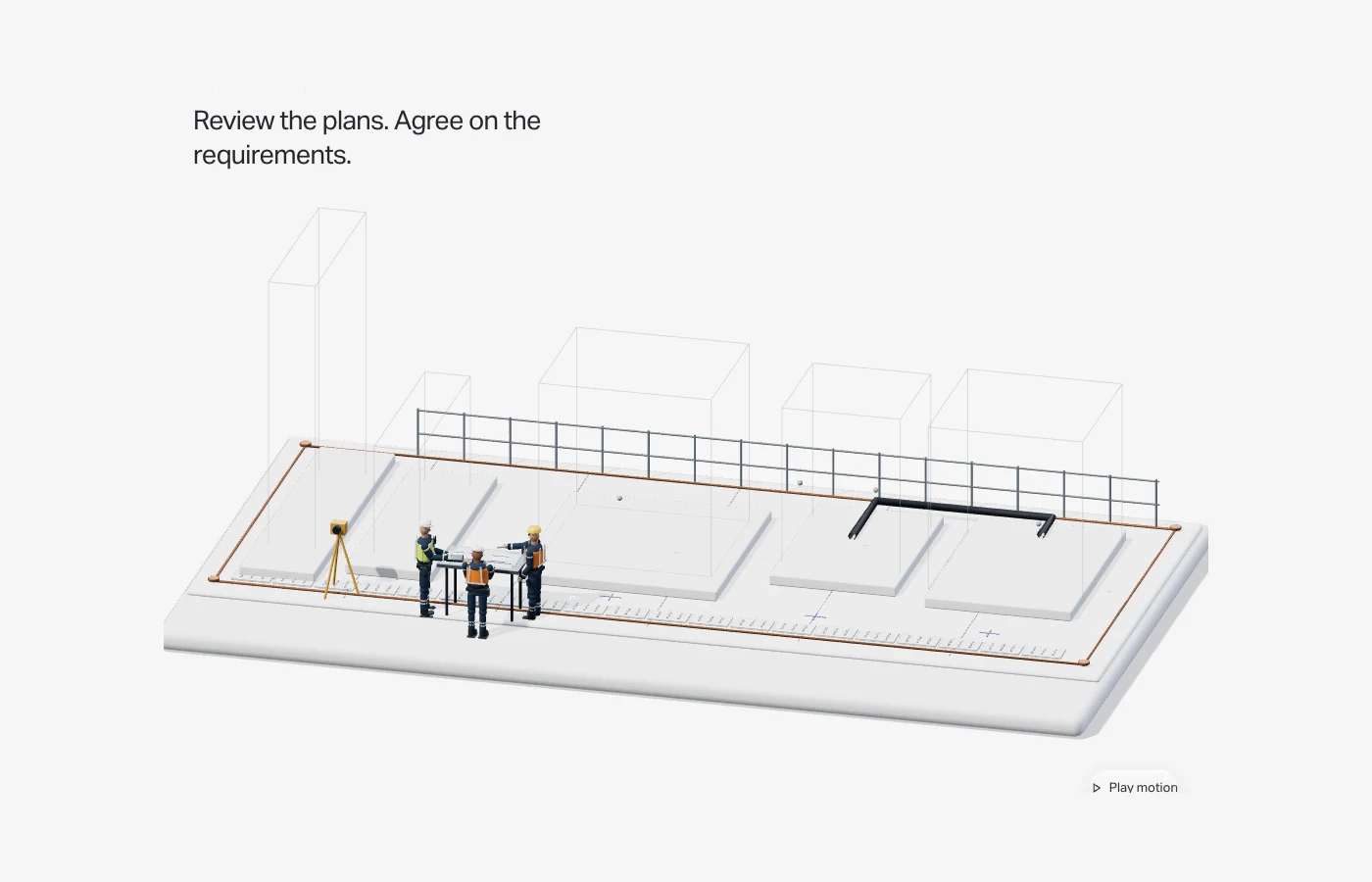
Map the work. Capture the context.
01 · Understand
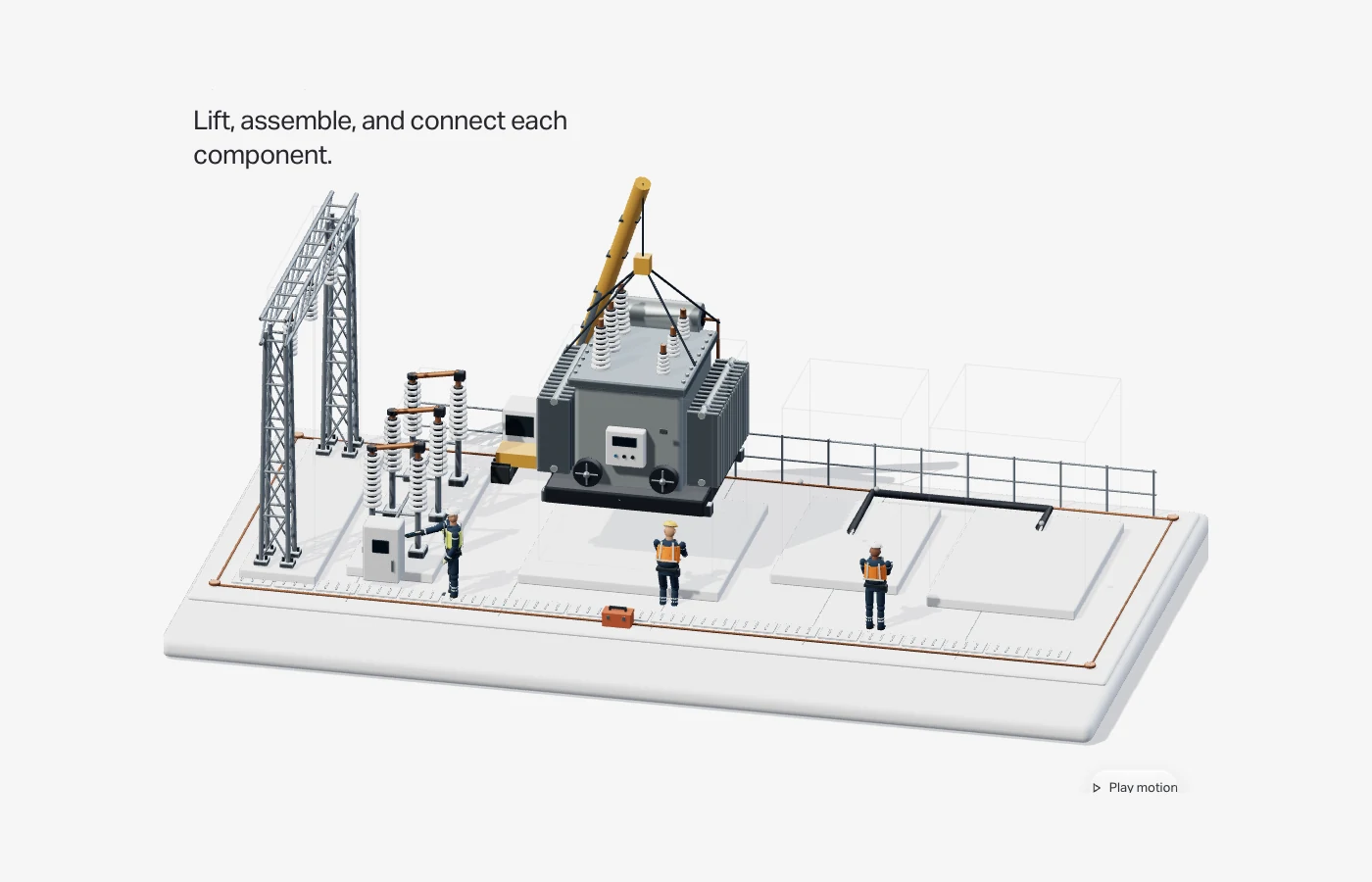
02 · Build
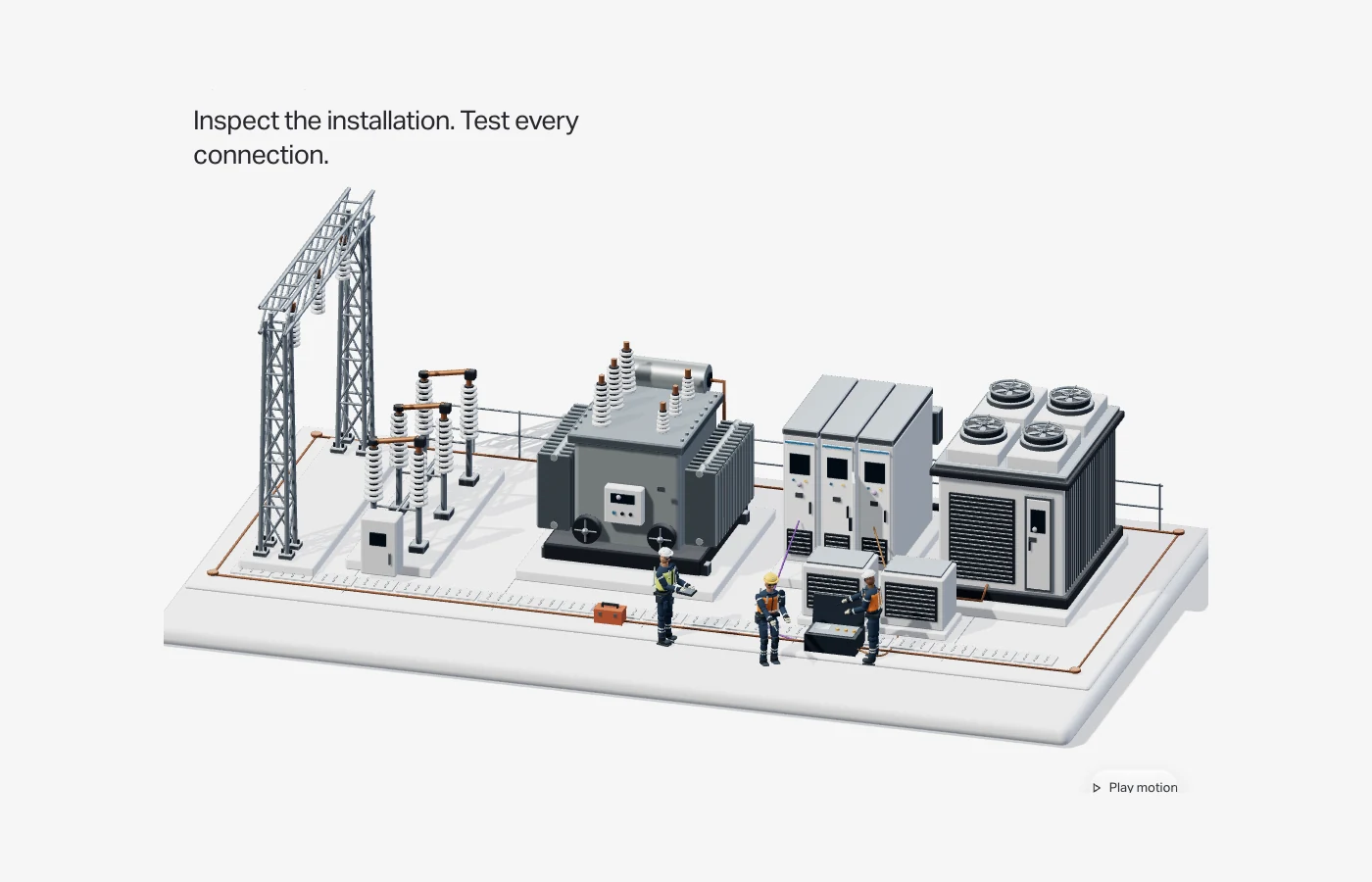
03 · Validate
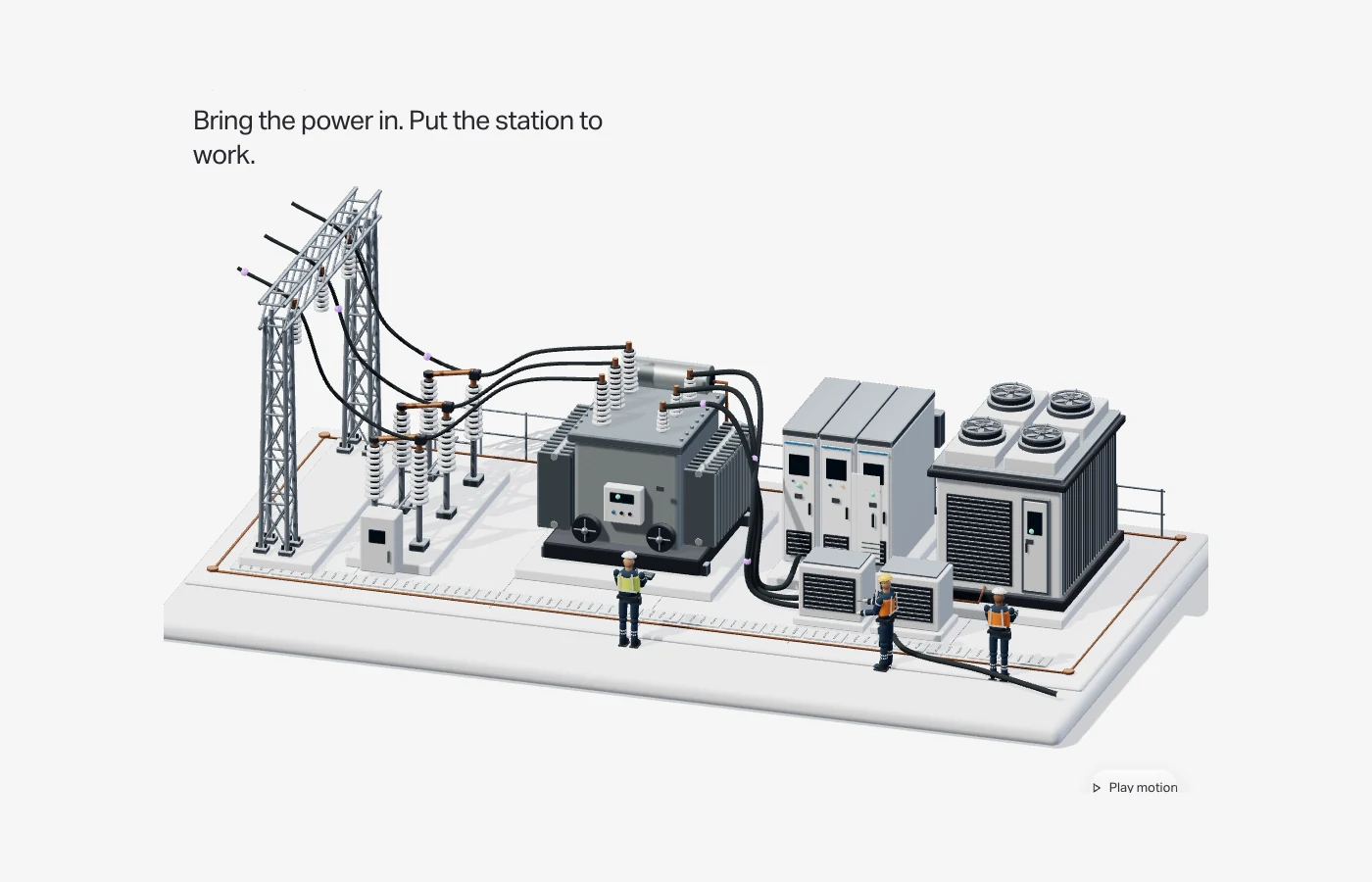
04 · Implement
Who we serve
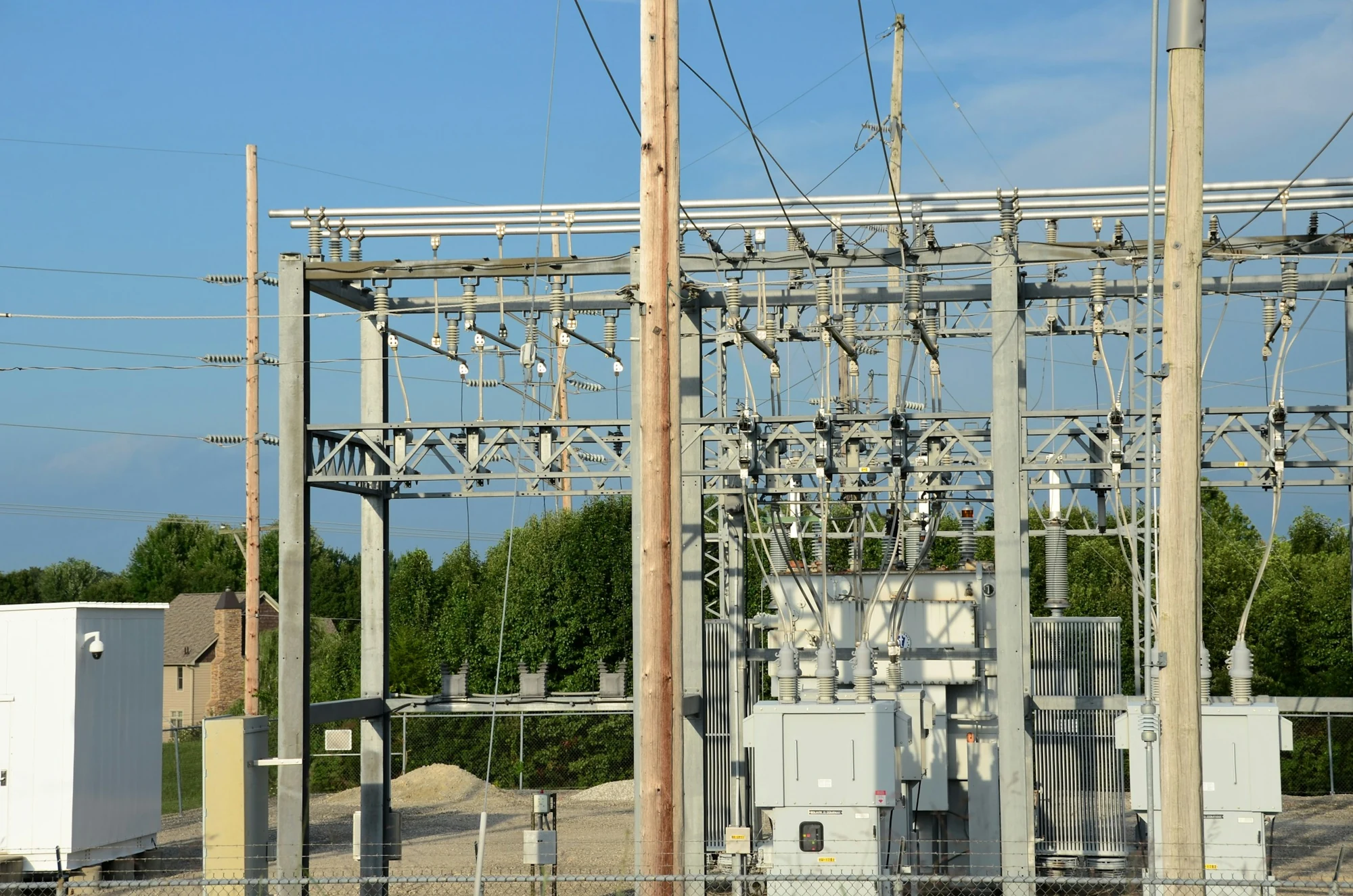
Connect asset, project, procurement, and customer work around your utility’s records.
Explore Electric Utilities
Our approach

Solution 01
Connect AI to the records and rules your work depends on.
Explore this solution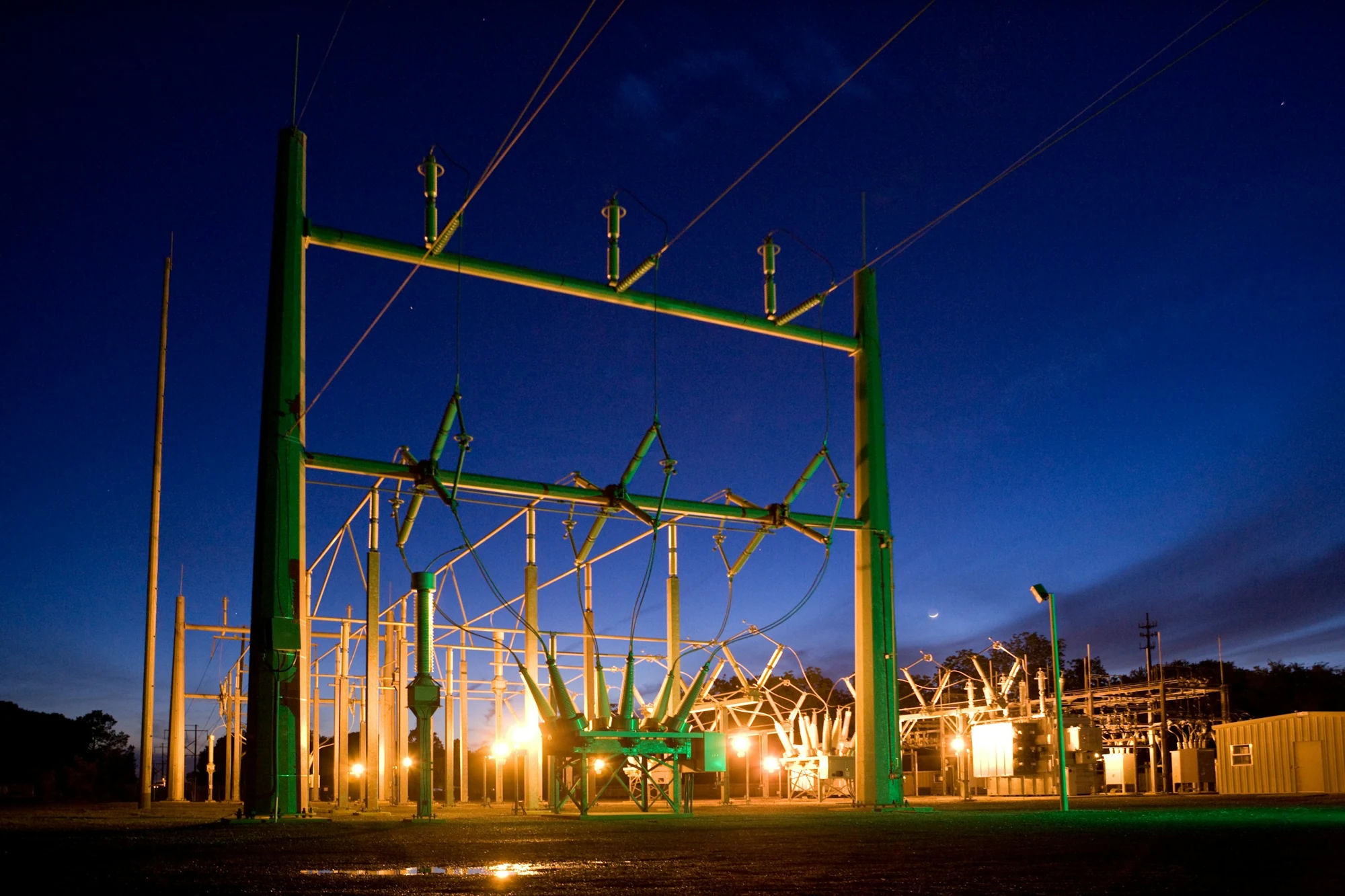
Connect approved procedures, asset records, work histories, and workflow knowledge so AI can retrieve relevant evidence within defined permissions.
Solution 02
Test AI on your work before you expand its use.
Explore this solutionBuild expert-defined evaluation tasks and grading criteria to compare systems, identify failures, and measure improvements.
Solution 03
Build, integrate, and launch AI workflows alongside your team.
Explore this solution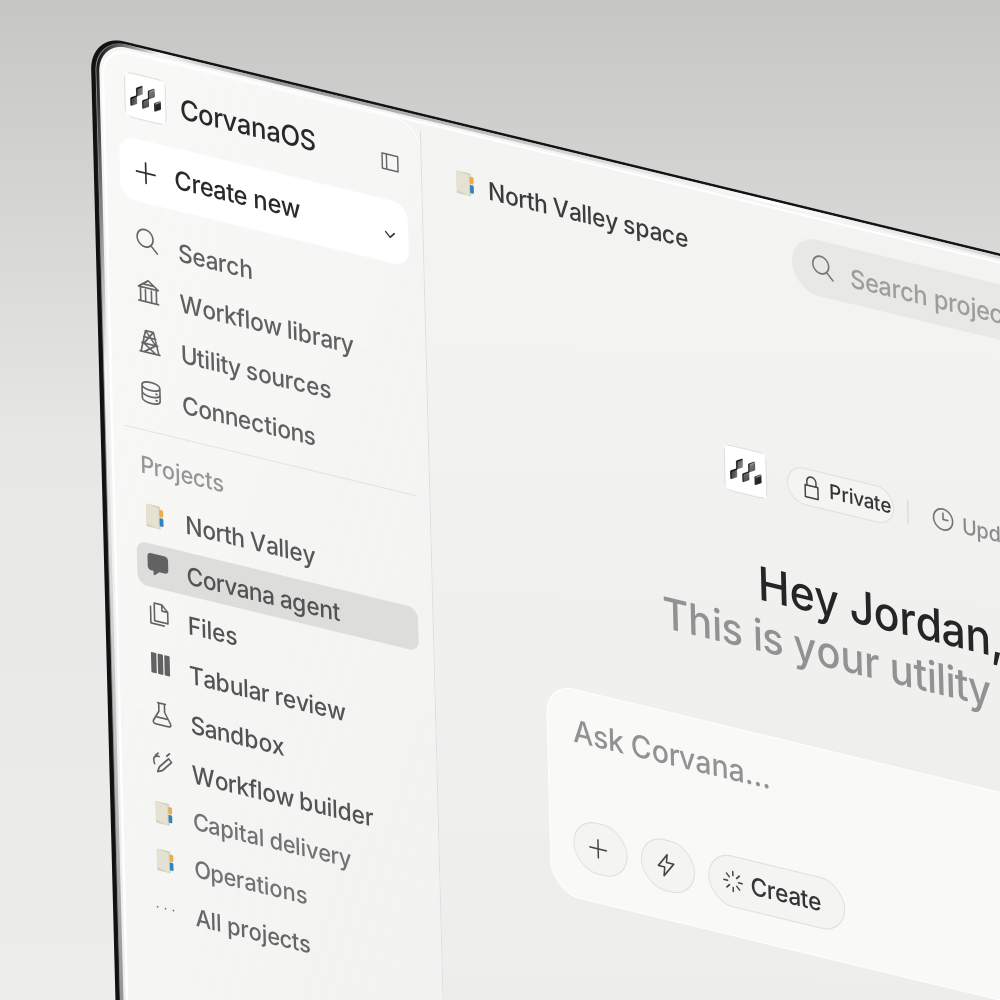
We work alongside your operations and IT teams to build, integrate, test, and launch a defined AI workflow—with clear success measures, review steps, and an agreed handover.
Corvana builds on the stack you already run — never locked to one vendor’s model.
Model-agnostic by design — Claude, Copilot, or ChatGPT, chosen per workflow and documented so the choice survives review. Every consequential action carries evidence and a named approver.
 Microsoft 365 Copilot

 ChatGPT
 Azure OpenAI



 Primavera P6
 IBM Maximo
 PI System

Logos and names are trademarks of their respective owners, shown to identify the tools utilities run — no affiliation or endorsement implied.
Controlled access. Protected records. Accountable AI.
For energy and utilities, we scope security requirements with your team
around the systems, information, and work involved.
Identify applicable bulk electric system requirements before connecting a workflow, including access boundaries, change controls, and vendor risk.
FERC · Grid securityDefine the boundary between AI workflows and operational systems, with approved access, network separation, and human authorization.
NIST · OT securityClassify sensitive records and agree access, storage, retention, and permitted model-provider use. Apply CEII handling rules where relevant.
FERC · CEIIAgree the evidence required for the delivery environment: supplier assessments, ISO 27001 certificates, and SOC 2 reports where procurement requires them.
ISO · Information securityDefine accountable owners, evaluate workflow risks, document human review, and retest material changes before release.
NIST · AI Risk ManagementApplicability depends on the entity, jurisdiction, systems, and data in scope. These are engagement requirements to assess, not claims of Corvana certification.
Discuss your requirementsCorvana Labs builds specialized AI for energy, utilities, and critical infrastructure. We help teams turn operational expertise into AI that can support a defined task, with clear measures of success and human review.
We start with your practitioners: map the workflow, capture decisions and exceptions, and connect the relevant records, procedures, and systems while preserving sources, versions, and access requirements.
We then adapt models to the task and evaluate realistic cases against agreed criteria for quality and review effort. When the workflow is ready, we integrate it into your existing tools, define approval steps, train your team, and agree the handover.
Our services cover Operational Context & Integration, Custom AI Models & Validation, and AI Workflow Implementation. Engagements can focus on one service or a sequence of services, with quality, review time, and cost measured against the agreed scope.
Yes. You can engage us for operational knowledge and integration, AI evaluation and validation, or AI workflow implementation. Each engagement has its own scope and deliverables; moving to another stage is a separate decision.
No. CorvanaOS is the workspace we are building to support delivery. Corvana Agent is customized for a defined workflow. Neither is a required software purchase: we scope the tools, access, and handover to the engagement and can work with your existing AI tools.
Yes, where the system can be made available for a controlled evaluation. We agree the task set, information access, execution conditions, and scoring criteria so the comparison is useful.
We connect the records, procedures, and system data a workflow needs, preserve source versions and permissions, and check that AI retrieves the right evidence. Your team receives working connections, validation results, and named owners for keeping the information current.
It is a research program in development. We are defining expert-reviewed cases and repeatable evaluation methods. Customer-specific evaluations are scoped separately; we do not present the program as a certification or an established industry standard.
We agree criteria for the complete workflow, including output quality, missed exceptions, unsupported conclusions, reviewer effort, and operating cost. Where the existing process lacks a baseline, establishing one is part of the scope.
We agree source access, processing, retention, model-provider handling, and permitted uses with your technical team. Reuse outside your engagement requires explicit permission.
A defined review cadence, context maintenance, investigation of exceptions, and evaluation of proposed changes. The scope identifies who owns support, release decisions, and escalation.
Bring a recurring task, an existing AI system you want to assess, or a knowledge problem holding the work back. We will identify the appropriate offering, define the workflow and success criteria, and agree the next step.
Work together
Tell us what your team is working on.
We’ll help you find a place to start.