01
A common evaluation method
Reusable ways to assess evidence, completeness, uncertainty, and the effort still required from people.
We work with your specialists to design and run evaluations around your workflows, records, and acceptance criteria. Understand what works, what fails, and what to improve.
Discuss an evaluation
A scoped service. A benchmark built for your work.
Choose the decision you need to make: assess an existing assistant, compare vendors, or test whether a workflow is ready for implementation.
Agree the task, available information, expected work product, and limits of the evaluation.
Work with the people who understand the records, exceptions, and consequences of getting the task wrong.
Turn representative work into repeatable cases. Include the incomplete records, conflicting instructions, and handoffs that make the task difficult.
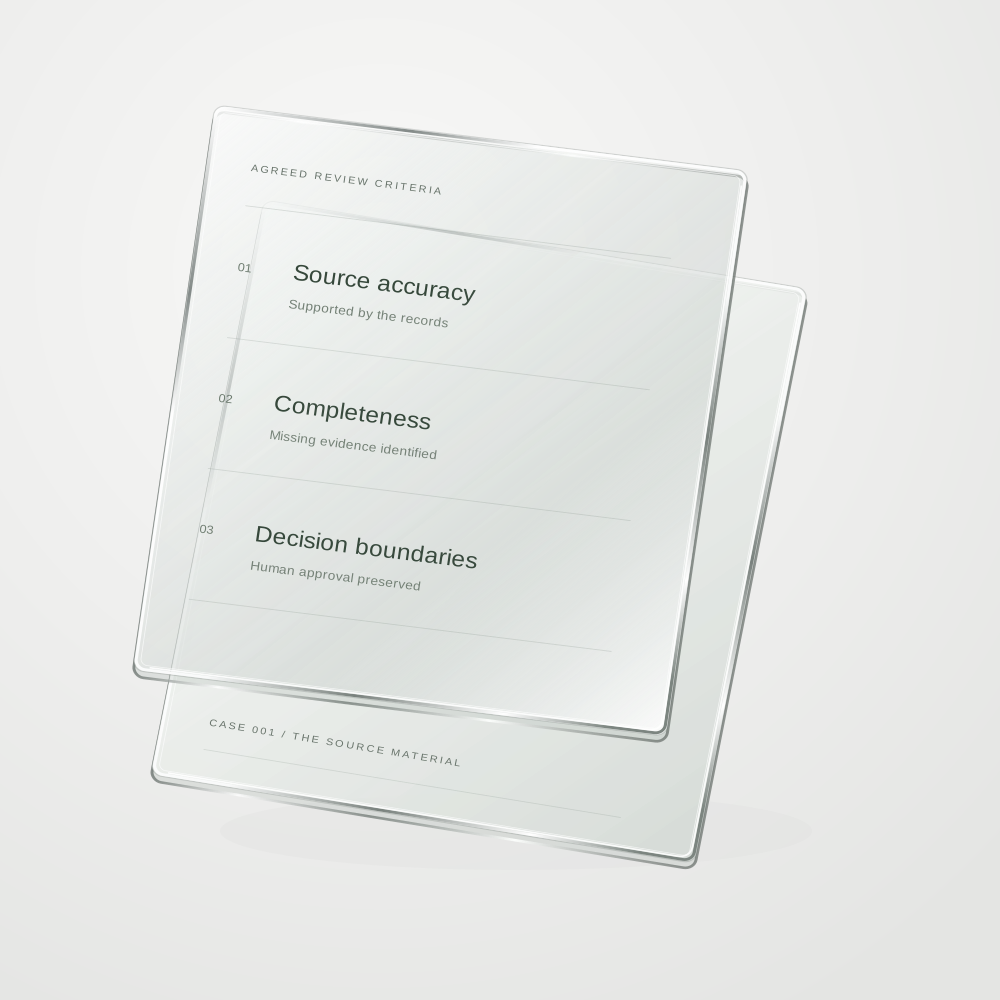
Define what a correct, complete, and properly supported outcome looks like with your reviewers.
Report missed exceptions and approval violations separately, so an average score cannot hide them.
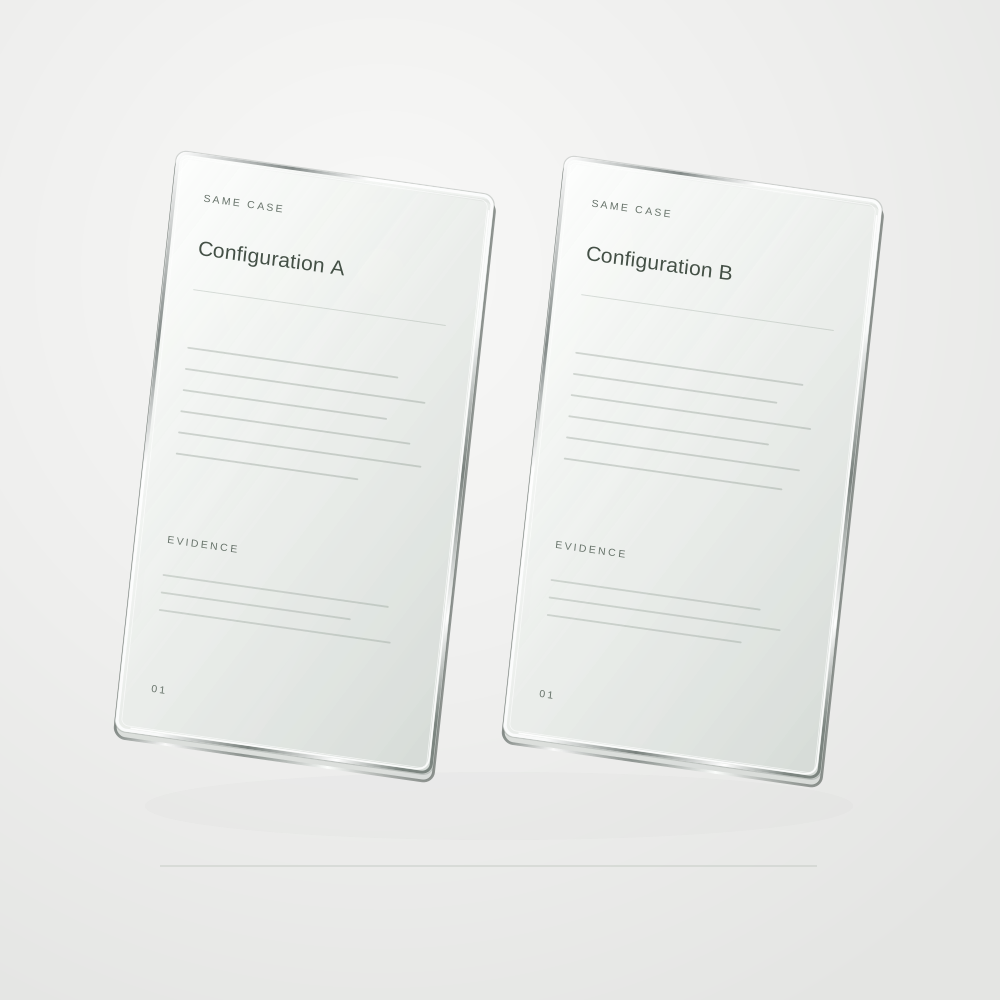
Run the agreed cases under documented conditions. Inspect the output, source use, actions, and review effort behind each result.
Record the model, context, tools, and run limits. Hold other factors constant when testing a specific change.
Identify whether the problem lies in missing context, retrieval, the model, a tool, or the workflow.
Receive an evaluation pack that documents what was tested, how it was assessed, and what the findings support.
Versioned cases, scoring criteria, test conditions, graded outputs, and an actionable findings report.
Retest after a model, source, or workflow changes. Keep improvement examples separate from final evaluation cases.
Reusable ways to assess evidence, completeness, uncertainty, and the effort still required from people.
Tasks built around work such as contractor readiness, maintenance preparation, or regulatory response.
Your assets, procedures, records, approval responsibilities, and agreed standards for acceptable performance.
CP–104
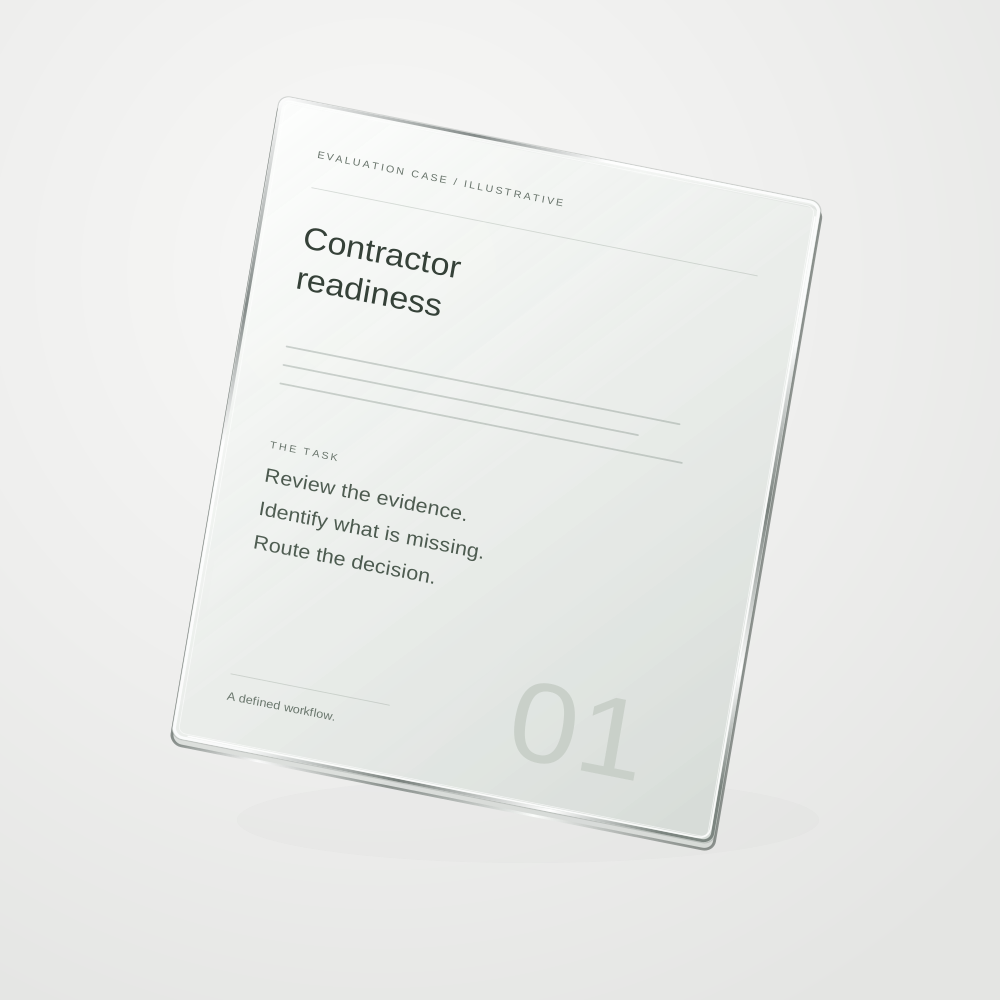
An illustrative case · Contractor readiness
A useful evaluation checks whether the system connects the two dates, cites the evidence, and asks for an updated certificate before the package can proceed.
Fictional example. No model performance is reported.
Bring the task and the question you need answered. We’ll scope an evaluation with your team.
Discuss an evaluationWork together
Tell us what your team is working on.
We’ll help you find a place to start.